About
The Heart of the Capital The Moscow Kremlin is located on Borovitsky Hill on the bank of the Moscow River. For many centuries it served as the residence of the Grand Princes and later the Russian tsars; today it is the official residence of the President of Russia. The Kremlin ensemble brings together architectural styles from several eras, preserving masterpieces of Russian culture from the 15th to the 20th centuries. The name of the Kremlin hill — “Borovitsky” — is not accidental: many centuries ago this area was covered with forest. In 1156, the first fortress was built on the territory of the modern Kremlin, surrounded by a moat. Later, churches appeared on its grounds, including the Assumption Cathedral, which has survived to this day. In later years, coronation ceremonies were held there. Under Prince Dmitry Donskoy, the first stone fortifications were constructed. These gave rise to the name “white-stone Moscow,” since the walls were built from white limestone. In the second half of the 15th century, during the reign of Ivan III, the Kremlin was extensively rebuilt. The Faceted Chamber, which still stands today, was created by the Italian architects Marco Ruffo and Pietro Antonio Solari. The former white-stone walls were replaced with walls and towers made of fired brick. In 1508, the Alevizov moat was dug along the Kremlin walls. It was filled with water from the Neglinnaya River, turning the Kremlin into an impregnable fortress. Over the centuries, it continued to be renovated and beautified, with new buildings constructed. In the 20th century, after the capital was returned to Moscow, the Kremlin became the political center and the workplace of the highest state authorities. The famous glowing ruby stars appeared on five Kremlin towers during this time. During the Great Patriotic War, the stars were covered to protect them from German bombs, and the Kremlin walls were disguised by painting streets and building facades on them, making the Kremlin visually disappear from enemy view. Since 1955, the Kremlin has been partially open to visitors, becoming a magnificent open-air museum. In 1990, it was included in the UNESCO World Cultural and Natural Heritage List.
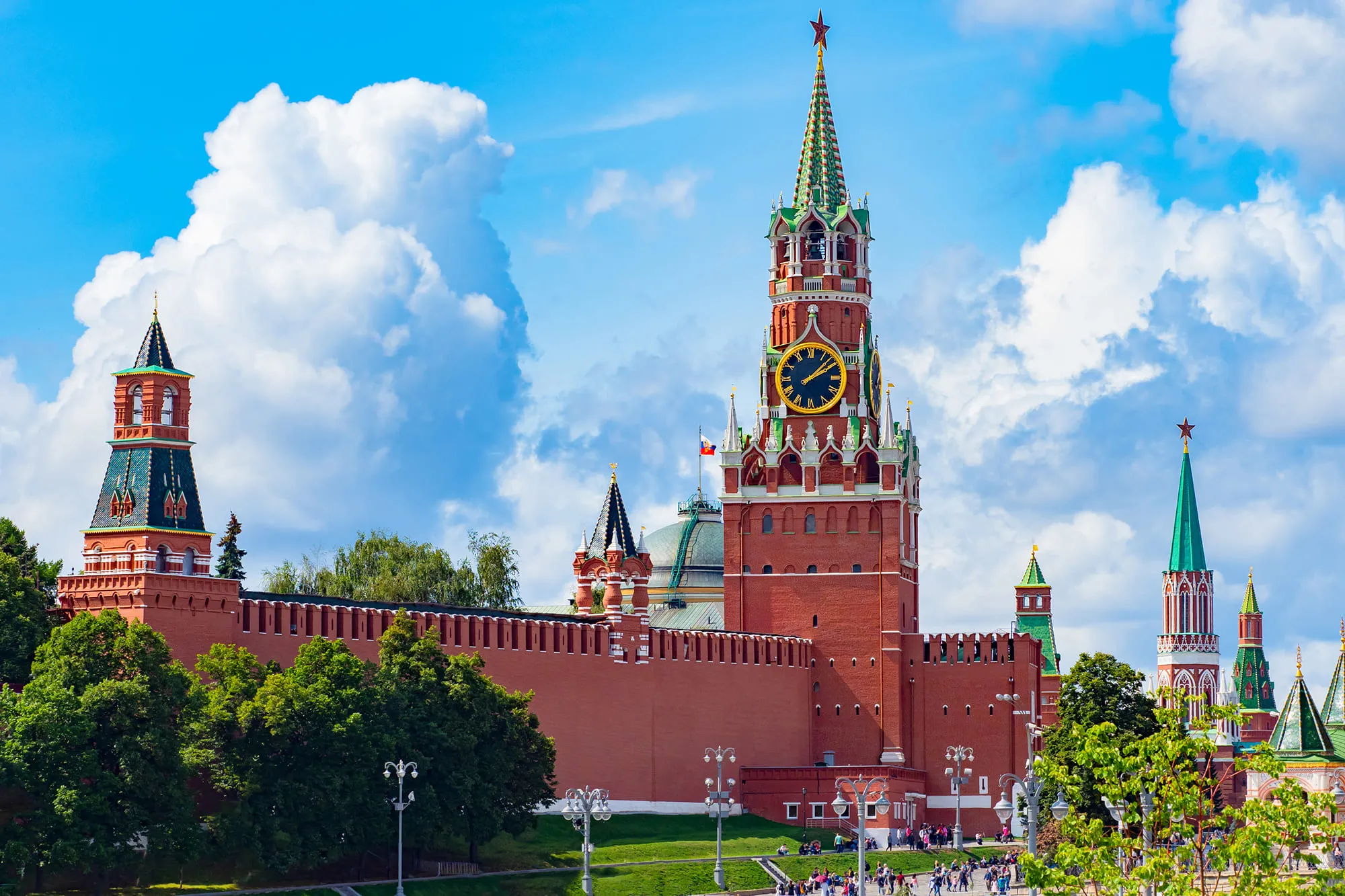
The Information Center of the Museum and ticket offices are located in Alexander Garden
May 15 to September 30:
9:30 am-6:00 pm,
October 1 to May 14:
10:00 am-5:00 pm.
9:30 am-6:00 pm,
October 1 to May 14:
10:00 am-5:00 pm.
Open a map on your phone
Scan the QR code to open the address in your phone's maps

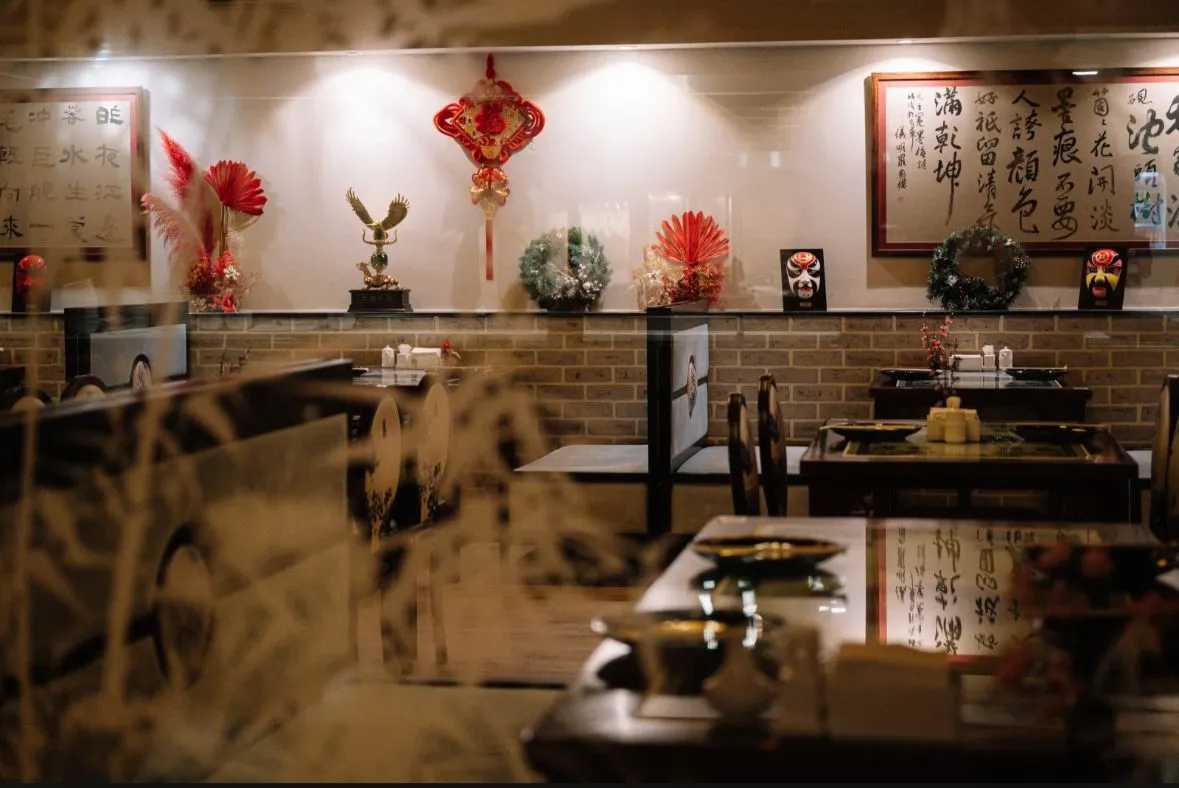
Druzhba Restaurant
An authentic downtown restaurant specializing in Chinese cuisine. The menu is designed for the most discerning gourmets: Peking duck, Guoba Rou (sweet-and-sour pork), carp in sweet-and-sour sauce, Sichuan-style beef.
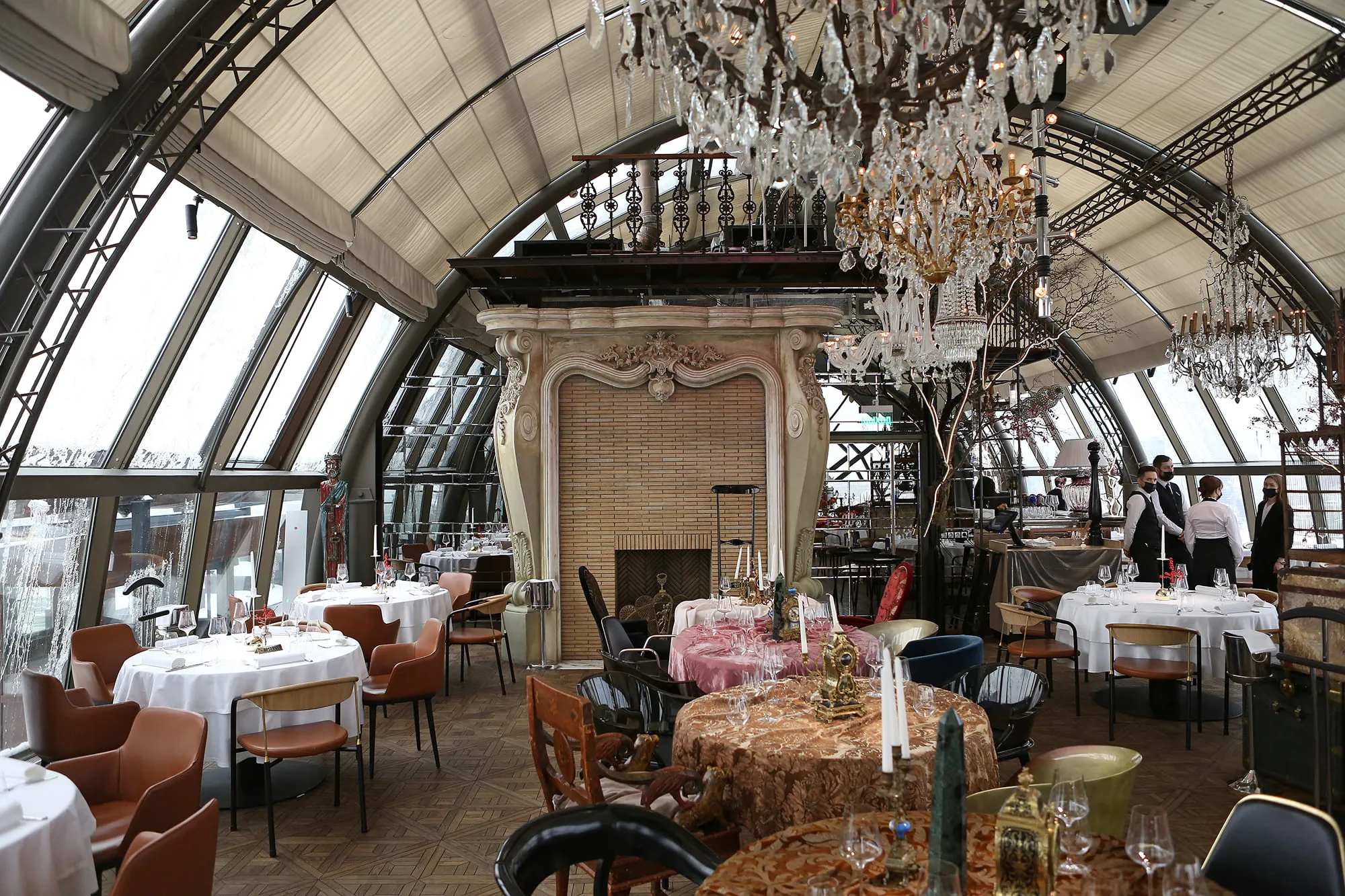
White Rabbit
A restaurant with a glass dome and panoramic views of the city’s historic center.
ANO National Priorities uses cookies (files storing data on past website visits) to personalize services and improve user experience. ANO National Priorities treats personal data protection seriously — please review the terms and principles of processing. You can disable cookie storage in your browser settings.