About
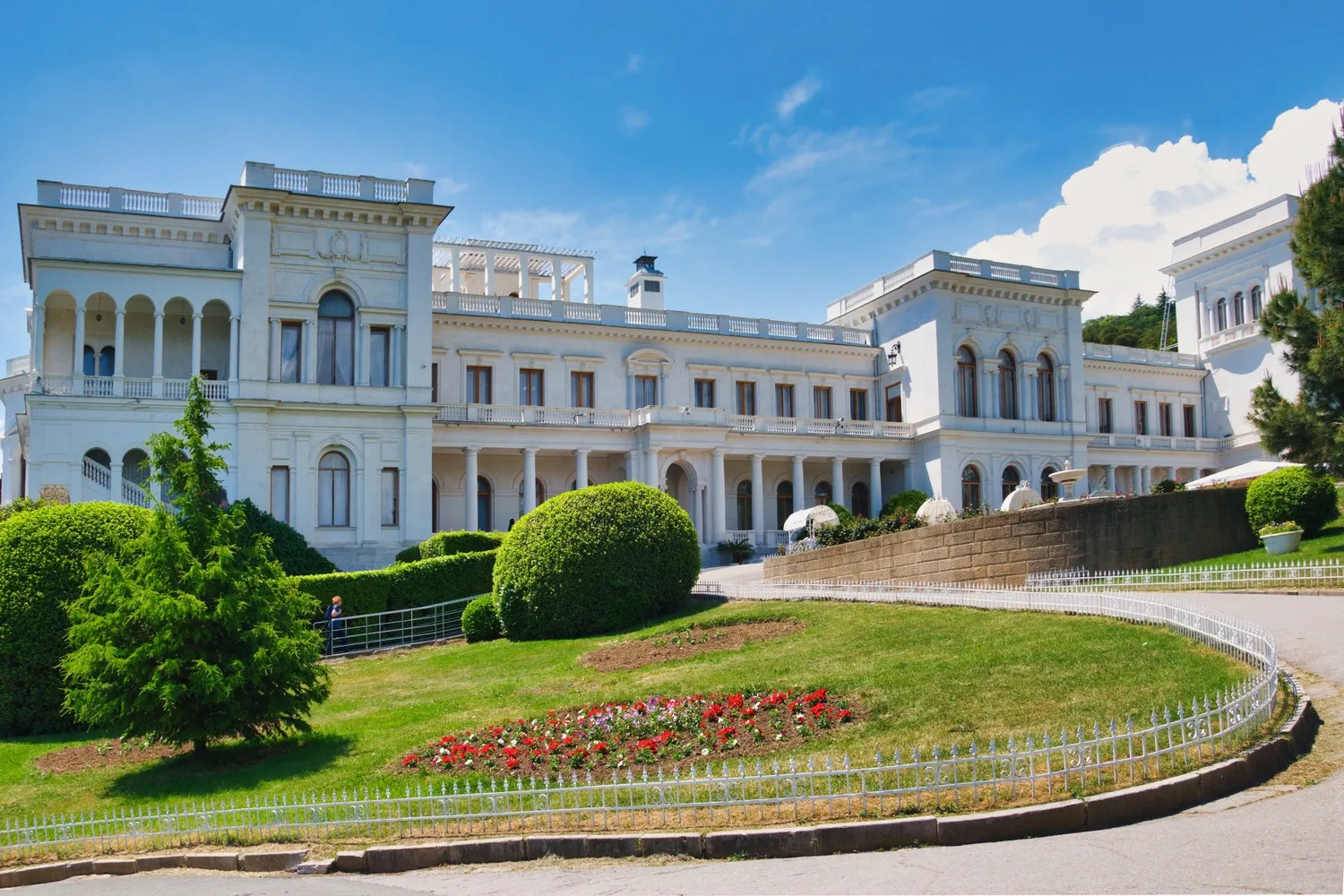
This architectural masterpiece from the early 20th century was designed by architect Nikolai Krasnov. The palace was built in just 17 months and became the last structure erected in the Russian Empire for the Romanov family. In 1945, it hosted the Yalta Conference with leaders of the anti-Hitler coalition. Visitors can explore several rooms with reconstructed imperial-era interiors and exhibitions detailing key historical milestones. Highlights include the emperor’s study and bedroom, the empress’s drawing room, the state dining room, the grand duchesses’ classroom, the vestibule, and the library. The aristocratic estate is adorned with two courtyards: the Arabian Courtyard, featuring majolica tiles, and the Italian Courtyard, with Tuscan columns and marble benches. The palace-park complex spans over 36 hectares. In addition to the main palace, it includes the Suite Corps, Baron Frederiks’ House, the Church of the Exaltation of the Cross, and a park with preserved gazebos, fountains, and relic trees from the tsarist era.
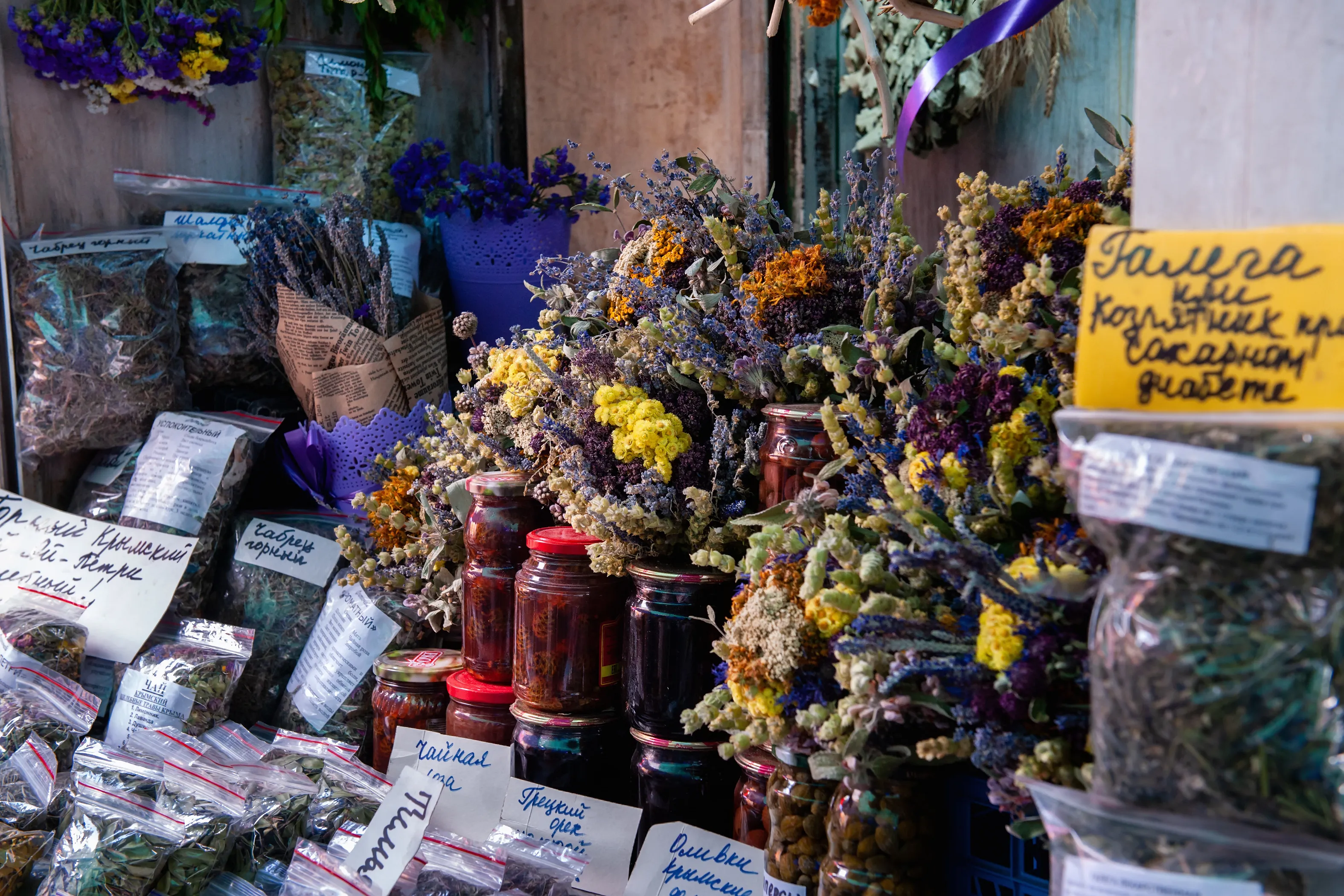
Lavender, Sachets, and Spices
Crimean lavender isn't just sold in bouquets. You'll find sachets, decorative pillows, and rolls filled with dried herbs—primarily lavender, but also mint, thyme, and juniper.
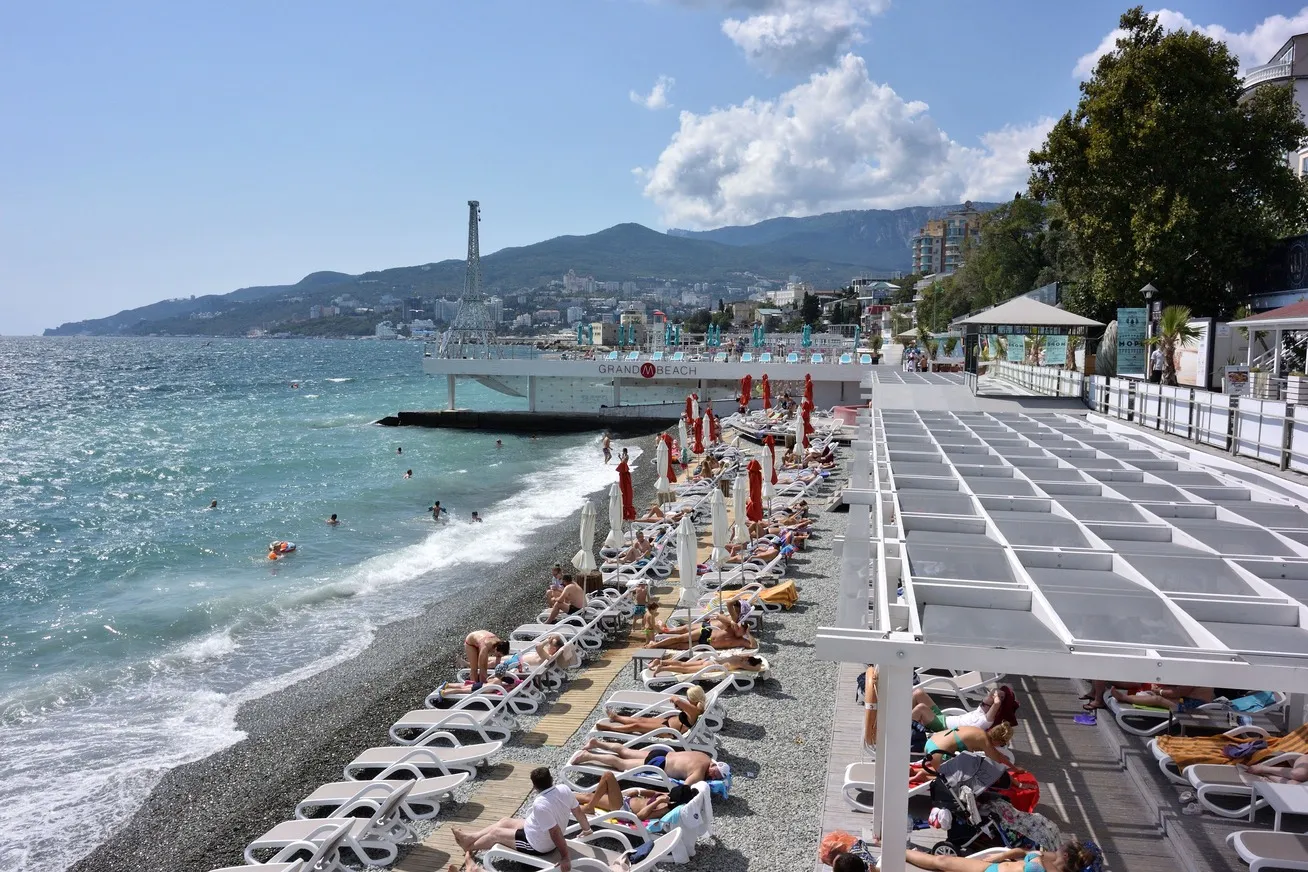
Massandra Beach
This beach is considered one of the best in Crimea in terms of service and has repeatedly been awarded the prestigious international "Blue Flag" certification.
ANO National Priorities uses cookies (files storing data on past website visits) to personalize services and improve user experience. ANO National Priorities treats personal data protection seriously — please review the terms and principles of processing. You can disable cookie storage in your browser settings.